

Education is one of the most powerful tools for personal and societal transformation. It is not merely the process of acquiring knowledge but also the cultivation of skills,Education is one of the most powerful tools for personal and societal transformation.Education is one of the most powerful tools for personal and societal transformation. It is not merely the process of acquiring knowledge but also the cultivation of skills,Education is one of the most powerful tools for personal and societal transformation. It is not merely the process of acquiring knowledge but also the cultivation of skills, values, and critical thinking that enable individuals to navigate life successfully. Merriam-Webster defines education as the knowledge and development gained through the process of being educated, emphasizing its role in shaping both personal growth and collective progress.
Personal Growth and Development
At the individual level, education fosters self-awareness and intellectual maturity. It equips people with essential skills such as problem-solving, decision-making, and adaptability. These competencies are vital in both personal and professional contexts, helping individuals make informed choices and overcome challenges. A well-educated person is more likely to achieve success, not only in career pursuits but also in building meaningful relationships and contributing positively to society.
Social and Cultural Impact
Education also plays a crucial role in shaping societal values and cultural identity. It promotes tolerance, empathy, and respect for diversity, which are essential for peaceful coexistence in a globalized world. Schools and universities serve as spaces where individuals from different backgrounds interact, exchange ideas, and learn to appreciate differences. This cultural exchange strengthens social cohesion and reduces prejudice, laying the foundation for inclusive communities.
Economic Advancement
From an economic perspective, education is a key driver of development. A skilled and knowledgeable workforce enhances productivity, innovation, and competitiveness. Countries with higher literacy and education rates tend to experience faster economic growth and improved living standards. Moreover, education empowers individuals to break the cycle of poverty by opening doors to better employment opportunities and financial independence.
Civic Responsibility
Education also nurtures responsible citizenship. It teaches individuals about their rights and duties, encouraging active participation in democratic processes. An educated population is more likely to engage in informed debates, vote responsibly, and hold leaders accountable. This strengthens governance and ensures that societies progress in a fair and just manner.
Challenges and the Way Forward
Despite its importance, access to quality education remains uneven across the globe. Factors such as poverty, gender inequality, and inadequate infrastructure hinder millions of children from attending school. Bridging this gap requires collective efforts from governments, NGOs, and communities to ensure inclusive and equitable education for all. The integration of technology in classrooms, scholarships for underprivileged students, and awareness campaigns about the value of education are some effective measures to address these challenges

Economic Advancement
From an economic perspective, education is a key driver of development. A skilled and knowledgeable workforce enhances productivity, innovation, and competitiveness.
Social and Cultural Impact
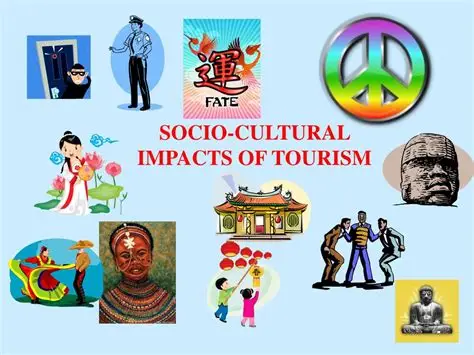
Education also plays a crucial role in shaping societal values and cultural identity. It promotes tolerance, empathy, and respect for diversity, which are essential for peaceful coexistence in a globalized world.

The Importance of Education
Education is one of the most powerful tools for personal and societal transformation. It is not merely the process of acquiring knowledge but also the cultivation of skills,
Education also nurtures responsible citizenship. It teaches individuals about their rights and duties, encouraging active participation in democratic processes. An educated population is more likely to engage in informed debates, vote responsibly, and hold leaders accountable. This strengthens governance and ensures that societies progress in a fair and just manner.