
Information Technology (IT) is one of the most transformative fields of the modern era, shaping how individuals, businesses, and governments operate. At its core, IT refers to the use of computers, networks, software, and other digital systems to store, process, and transmit information. It is the backbone of today’s digital economy and a driver of innovation across nearly every industry.
Evolution of IT
The roots of IT can be traced back to the invention of the computer in the mid-20th century. Early machines were massive, expensive, and limited in capability. Over time, advances in microprocessors, networking, and software development made computing more accessible. The rise of personal computers in the 1980s, the internet in the 1990s, and mobile technology in the 2000s each marked significant milestones. Today, IT encompasses cloud computing, artificial intelligence, cybersecurity, and data analytics, reflecting its continuous evolution.
Core Components
IT is built on several key components:
- Hardware: Physical devices such as servers, laptops, smartphones, and networking equipment.
- Software: Programs and applications that enable users to perform tasks, from word processing to enterprise resource planning.
- Networking: Systems that connect devices, allowing data to flow seamlessly across local and global networks.
- Data Management: Techniques for storing, securing, and analyzing information, which is increasingly valuable in decision-making.
- Cybersecurity: Safeguarding systems and data against threats like hacking, malware, and identity theft.
Importance in Business
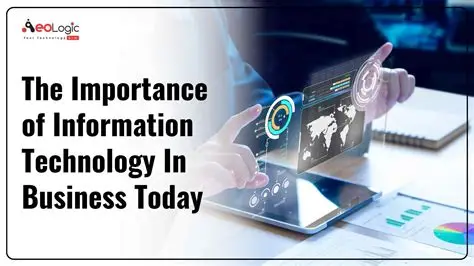
For businesses, IT is not just a support function—it is a strategic asset. Companies rely on IT for:
- Operational efficiency: Automating processes reduces costs and errors.
- Communication: Email, video conferencing, and collaboration platforms connect teams worldwide.
- Customer engagement: Websites, apps, and social media provide direct interaction with consumers.
- Data-driven decisions: Analytics tools help organizations understand markets and predict trends.
- Innovation: Emerging technologies like AI and blockchain open new business models.
Role in Society
Beyond business, IT has reshaped everyday life. Education has been revolutionized through e-learning platforms, healthcare benefits from telemedicine and electronic health records, and governments use IT to deliver public services more effectively. Social media and digital communication have altered how people connect, share, and consume information. However, this digital transformation also raises challenges, such as privacy concerns, misinformation, and the digital divide between those with and without access to technology.
Future Trends
The future of IT promises even greater change. Artificial intelligence and machine learning are expected to automate complex tasks, while quantum computing could solve problems beyond the reach of classical computers. The Internet of Things (IoT) will connect billions of devices, creating smarter homes, cities, and industries. At the same time, cybersecurity will remain critical as threats grow more sophisticated. Sustainability is also becoming a priority, with IT solutions helping reduce energy consumption and carbon footprints.
Conclusion
Information Technology is more than just computers and software—it is the foundation of modern society. It enables innovation, drives economic growth, and connects people across the globe. As IT continues to evolve, its impact will deepen, offering both opportunities and challenges. Understanding IT is essential for navigating the digital age, whether as a professional, a business leader, or simply a citizen of an increasingly interconnected world.