
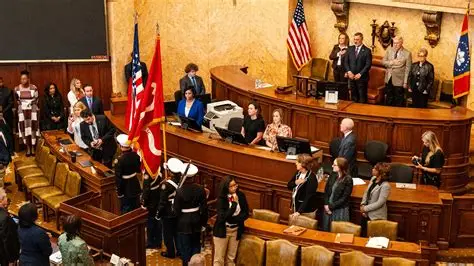

Politics is one of the most influential forces shaping human civilization. It is the system through which societies organize power, make collective decisions, and resolve conflicts. At its core, politics is about governance—the structures and processes that determine how laws are made, how resources are distributed, and how rights are protected. Whether in a small community or a global institution, politics provides the framework for cooperation and competition among individuals and groups.
The Nature of Politics
Politics is inherently complex because it deals with human interests, values, and power. It is not limited to parliaments or presidents; politics permeates everyday life. Decisions about education, healthcare, taxation, and foreign policy are political because they involve collective choices that affect society. Even seemingly personal issues—such as freedom of speech or access to public services—are shaped by political debates and decisions.
Political Systems
Throughout history, societies have experimented with different political systems. Monarchies concentrated power in the hands of kings and queens, while aristocracies privileged elites. Modern democracies, however, emphasize participation and representation. Citizens elect leaders, debate policies, and hold governments accountable. Other systems, such as authoritarian regimes, restrict participation and centralize authority. Each system reflects a balance between order and freedom, stability and change.
Ideologies and Movements
Politics is also driven by ideologies—sets of beliefs about how society should be organized. Liberalism emphasizes individual rights and freedoms, conservatism values tradition and stability, socialism advocates for economic equality, and nationalism prioritizes loyalty to one’s nation. These ideologies inspire political movements, shape party platforms, and influence public opinion. The clash of ideas is what makes politics dynamic and often contentious.
The Role of Citizens
Citizens are not passive observers in politics; they are active participants. Voting, protesting, lobbying, and engaging in public debate are ways people influence political outcomes. Civic engagement ensures that governments remain accountable and responsive. Without citizen participation, politics risks becoming detached from the needs of society. In this sense, politics is both a privilege and a responsibility.